Invitation & Access · Western New York
Orchard Park Country ClubOrchard Park
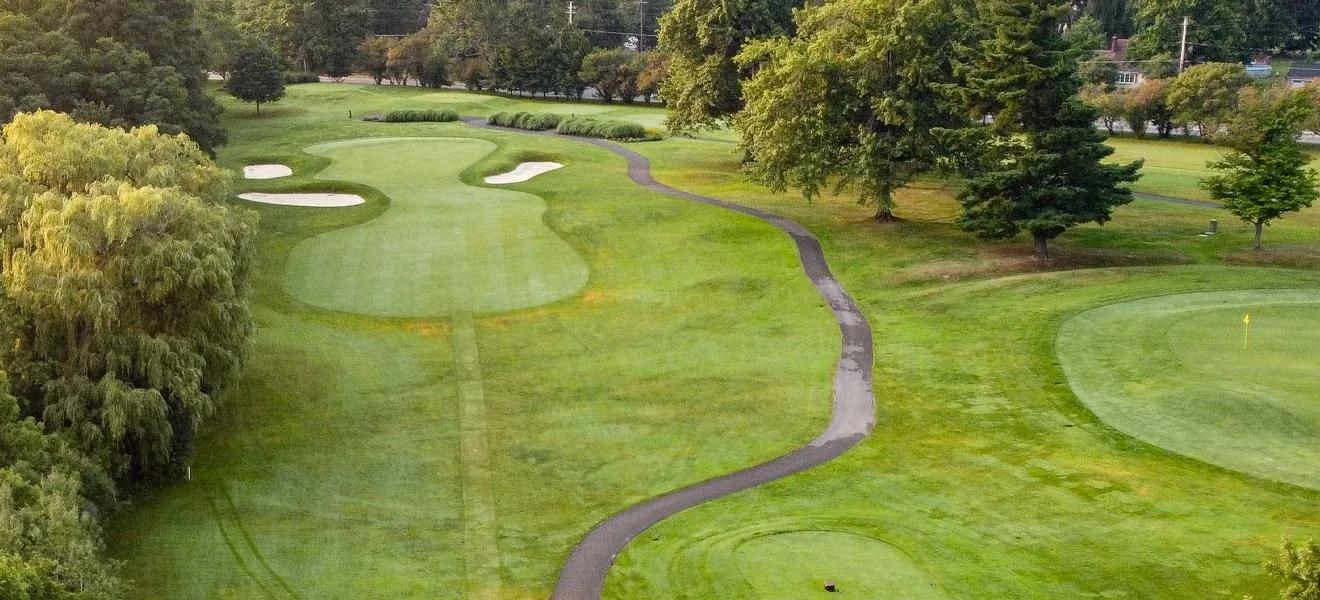
Walter J. Travis's 1917 course in Orchard Park, first built as the Park Club's summer course.
Par
72
Yardage
6,385
Rating · Slope
71.6 · 124
Holes
18
Green Fee
Members only
The Course
About Orchard Park Country Club
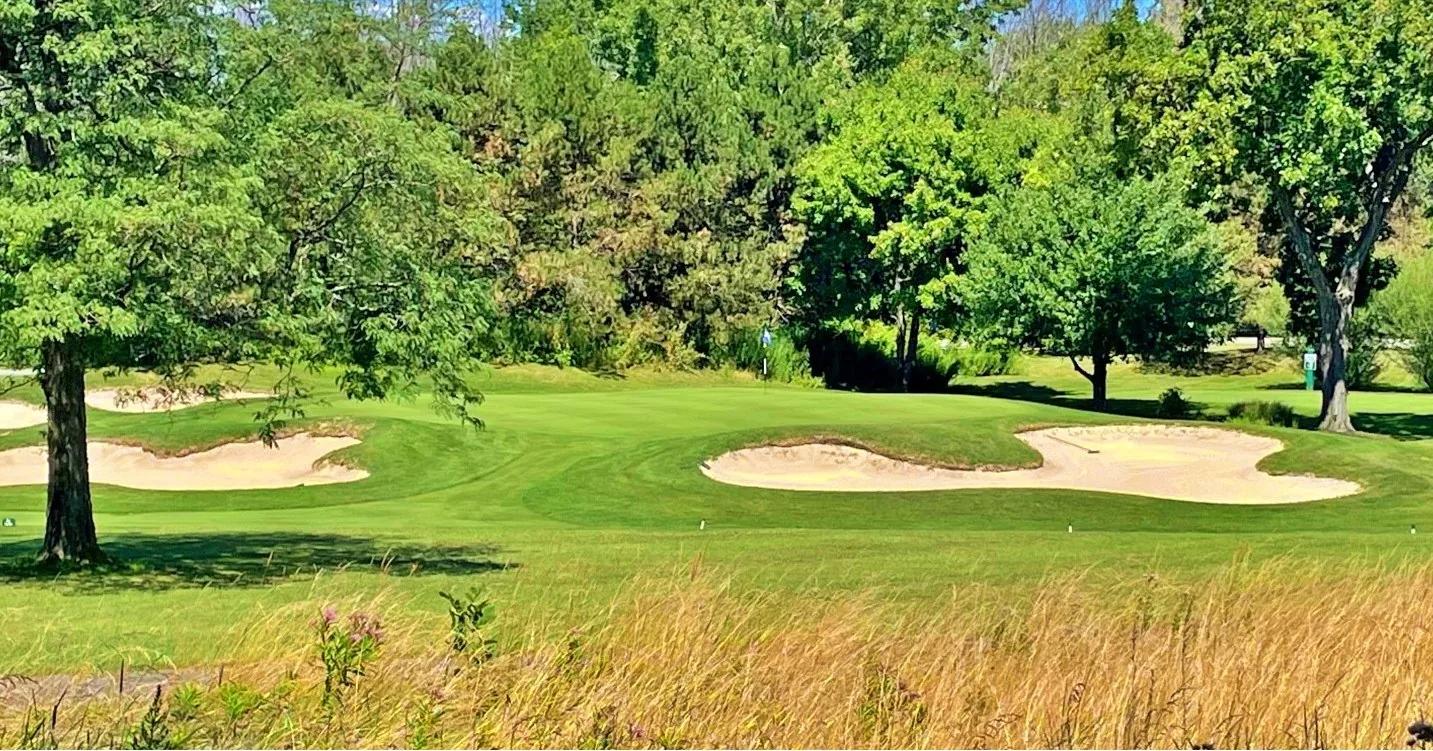
Orchard Park Country Club spreads across 127 acres in the village and town of Orchard Park, southeast of Buffalo, and it is a private club for members and their guests. Its 18 is a Walter J. Travis design known, the club says, for varied green shapes and a premium on shot placement and greenside shot-making. Members also have a large practice facility beside the 1st hole, tennis and pickleball courts and a heated pool.
History
Orchard Park Country Club — History
Walter J. Travis designed the course in 1916 for the Park Club of Buffalo, which opened it on August 25, 1917, as its summer course. In 1946, when the Park Club put its Orchard Park division up for sale, members bought it and formed Orchard Park Country Club. In the mid-1990s Brian Ault built a practice facility on the original 17th and 18th, creating or redesigning the 5th, 6th, 12th and 13th around a quarry pond.
Design
Orchard Park Country Club — Design
Travis won the U.S. Amateur three times before he became an architect, and Orchard Park rewards the short game in the way the club describes: varying green shapes, a premium on position and greenside shot-making. BuffaloGolfer points to greens that run subtly away in all directions and to the short par 4s at the 4th and 14th as the course's strengths, while noting that Ault's newer holes differ in style.
What Sets It Apart
Why Play Orchard Park Country Club
Orchard Park is a member of the Walter J. Travis Society and has played the Travis Cup since 1995, a Ryder Cup-format match against Stafford, Lookout Point and, later, Pennhills and Cherry Hill.
The Round
The Journey at Orchard Park Country Club
I.
The Opening
The 410-yard 1st runs beside the practice range and is the No. 3 handicap. After the 169-yard 2nd and 357-yard 3rd comes the 283-yard 4th, one of the short par 4s BuffaloGolfer singles out. The 526-yard 5th, the No. 1 handicap, and the 178-yard par-3 6th are two of the holes Ault built or reworked around the quarry pond in the 1990s.
II.
The Middle
The 431-yard 7th is the longest par 4 and the 417-yard 8th nearly matches it, before the 487-yard par-5 9th closes the front. The back nine opens with a long par 3, the 227-yard 10th. After the 351-yard 11th, the 423-yard 12th, rated the second-hardest hole, is the first of the back-nine holes reworked around the quarry pond.
III.
The Finish
The 351-yard 13th also plays around the quarry pond, and the 313-yard 14th is the other short par 4 BuffaloGolfer praises. The 474-yard 15th is the shortest par 5, and the 109-yard 16th is a little pitch of a par 3 that the same writer rated the nerviest in the region. The 502-yard 17th is the No. 4 handicap, and the 377-yard 18th, the old 16th, closes the round.
How to Play It
Orchard Park Country Club — Playing Strategy
Beginner / High Handicap
From the Blue tees the course is only 6,385 yards with a 124 slope, so a newer guest can play it at close to full length. Lay back on the short 4th and 14th rather than chase the green, and spend the warm-up on the chipping green: the club says this course rewards greenside shot-making above all.
Intermediate / Mid Handicap
Four par 5s, including the 474-yard 15th and 487-yard 9th, give real birdie chances, and the 283-yard 4th and 313-yard 14th reward a well-placed tee shot. The danger is around the greens, which break away in all directions, according to BuffaloGolfer, so leave approaches below the hole rather than firing at tight flags. Respect the quarry pond on the 5th, 6th, 12th and 13th.
Advanced / Low Handicap
At 71.6 and 124 from the Blue tees, Orchard Park will not overpower a low handicap, so the challenge is control. The short par 4s at the 4th and 14th tempt a driver, the 109-yard 16th demands a precise wedge, and the varied green shapes make the approach angle matter on every hole. The 5th and 12th, the two hardest, are where par holds its value.
Signature Holes
Orchard Park Country Club — Signature Holes
The Card
Orchard Park Country Club Scorecard
| Hole | 1 | 2 | 3 | 4 | 5 | 6 | 7 | 8 | 9 | Out | 10 | 11 | 12 | 13 | 14 | 15 | 16 | 17 | 18 | In | Total |
|---|---|---|---|---|---|---|---|---|---|---|---|---|---|---|---|---|---|---|---|---|---|
| Par | 4 | 3 | 4 | 4 | 5 | 3 | 4 | 4 | 5 | 36 | 3 | 4 | 4 | 4 | 4 | 5 | 3 | 5 | 4 | 36 | 72 |
| Yards | 410 | 169 | 357 | 283 | 526 | 178 | 431 | 417 | 487 | 3,258 | 227 | 351 | 423 | 351 | 313 | 474 | 109 | 502 | 377 | 3,127 | 6,385 |
| Handicap | 3 | 15 | 7 | 17 | 1 | 13 | 9 | 5 | 11 | — | 14 | 12 | 2 | 6 | 16 | 8 | 18 | 4 | 10 | — | — |
Good to Know
Orchard Park Country Club — questions answered
- How do I get on Orchard Park Country Club?
- Orchard Park Country Club is a private club — play is reserved for members and their guests. The only way on is a membership or a member's invitation; there is no public tee sheet.
- Who designed Orchard Park Country Club?
- Orchard Park Country Club was designed by Walter J. Travis and opened in 1917.
- What is the par and yardage at Orchard Park Country Club?
- Orchard Park Country Club plays to a par of 72 over 6,385 yards from the championship tees, with a course rating of 71.6 and a slope of 124.
- Is Orchard Park Country Club public or private?
- Orchard Park Country Club is a private member club — not open to public play. Access is by membership or a member's invitation; there is no public tee sheet.
- Where is Orchard Park Country Club located?
- Orchard Park Country Club is located at 4777 S Buffalo St, Orchard Park, NY 14127, in the Western New York area of New York.
More in Western New York
More golf courses in Western New York
Michael Hurdzan · Orchard Park
Harvest Hill Golf Course
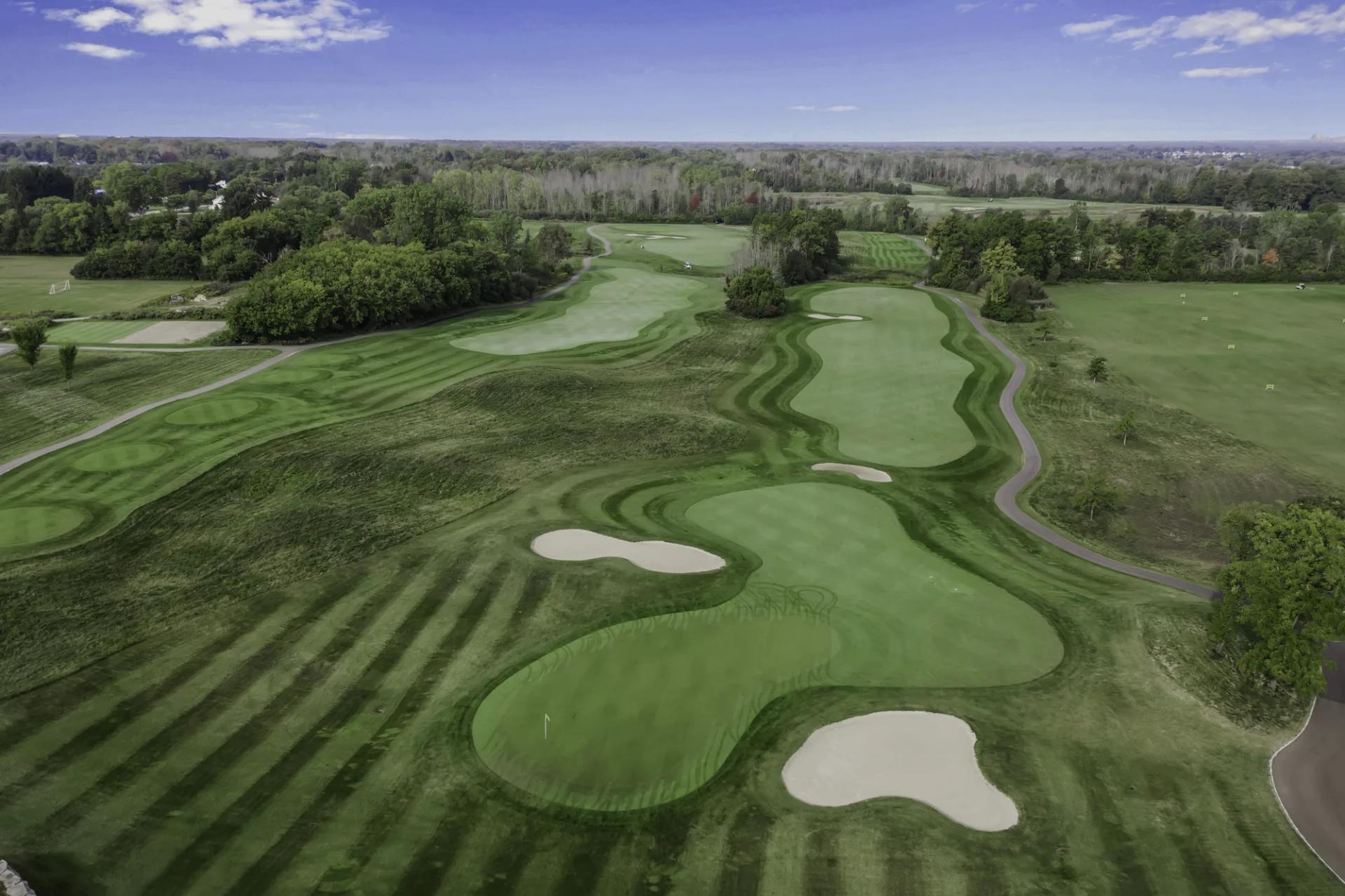
Michael Hurdzan's 2007 daily-fee course in Orchard Park, home of The First Tee Western New York.
Robert Trent Jones Sr. · East Aurora
Crag Burn Golf Club
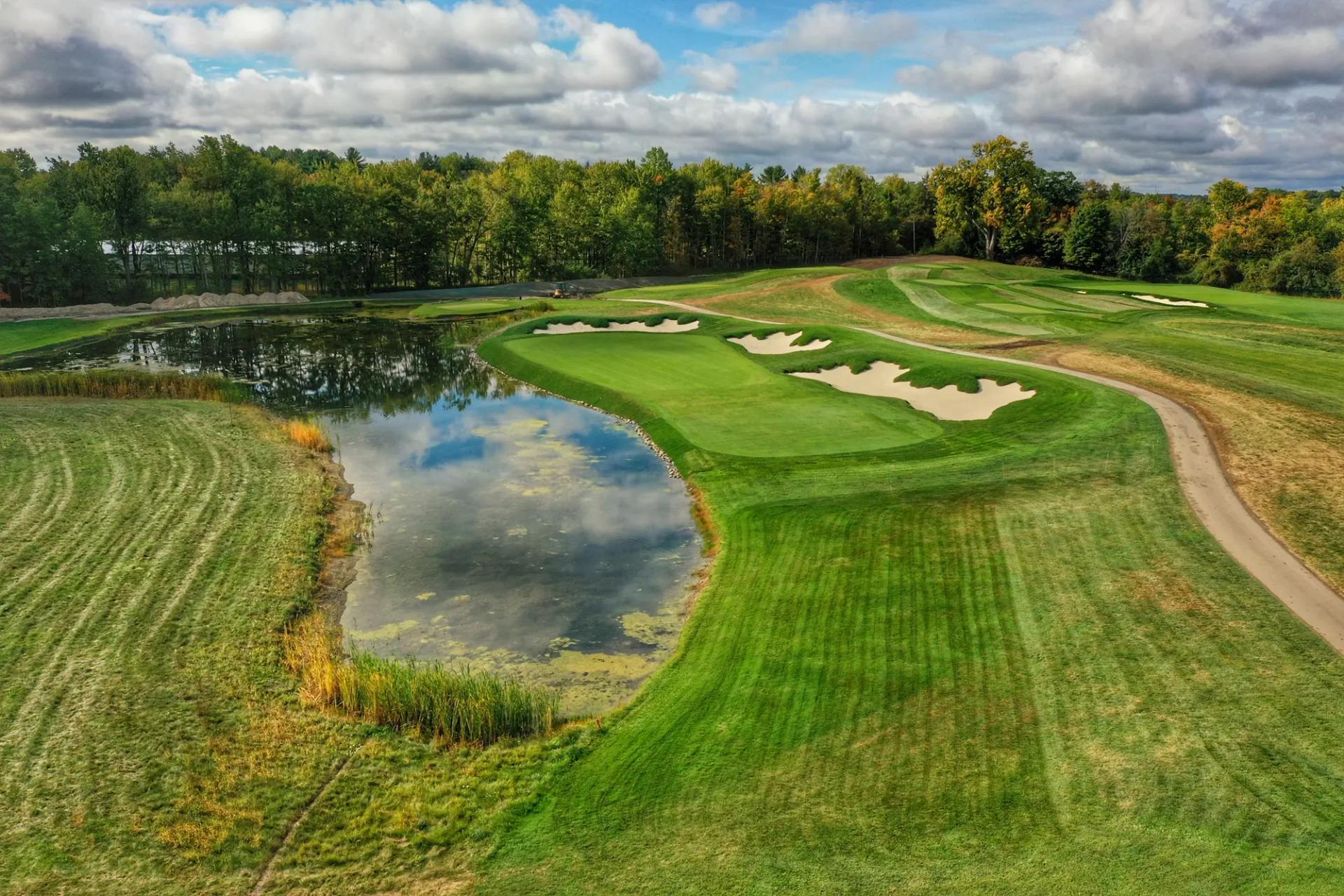
Robert Trent Jones Sr.'s 1972 course on the former Goodyear estate polo fields in East Aurora.
William and David Gordon · Hamburg
Cloverbank Country Club
A private Hamburg club on a 7,067-yard William and David Gordon course, opened in 1959.
How to Play It
How to Play Orchard Park Country Club.
Orchard Park Country Club is a private club — play is reserved for members and their guests, with no public tee sheet. The only way on is a membership or a member's invitation.
Golf in NY is an independent guide — we don’t sell tee times or mark them up. We map the exact way on.