Invitation & Access · Long Island: Suffolk & the Hamptons
Friar's HeadBaiting Hollow
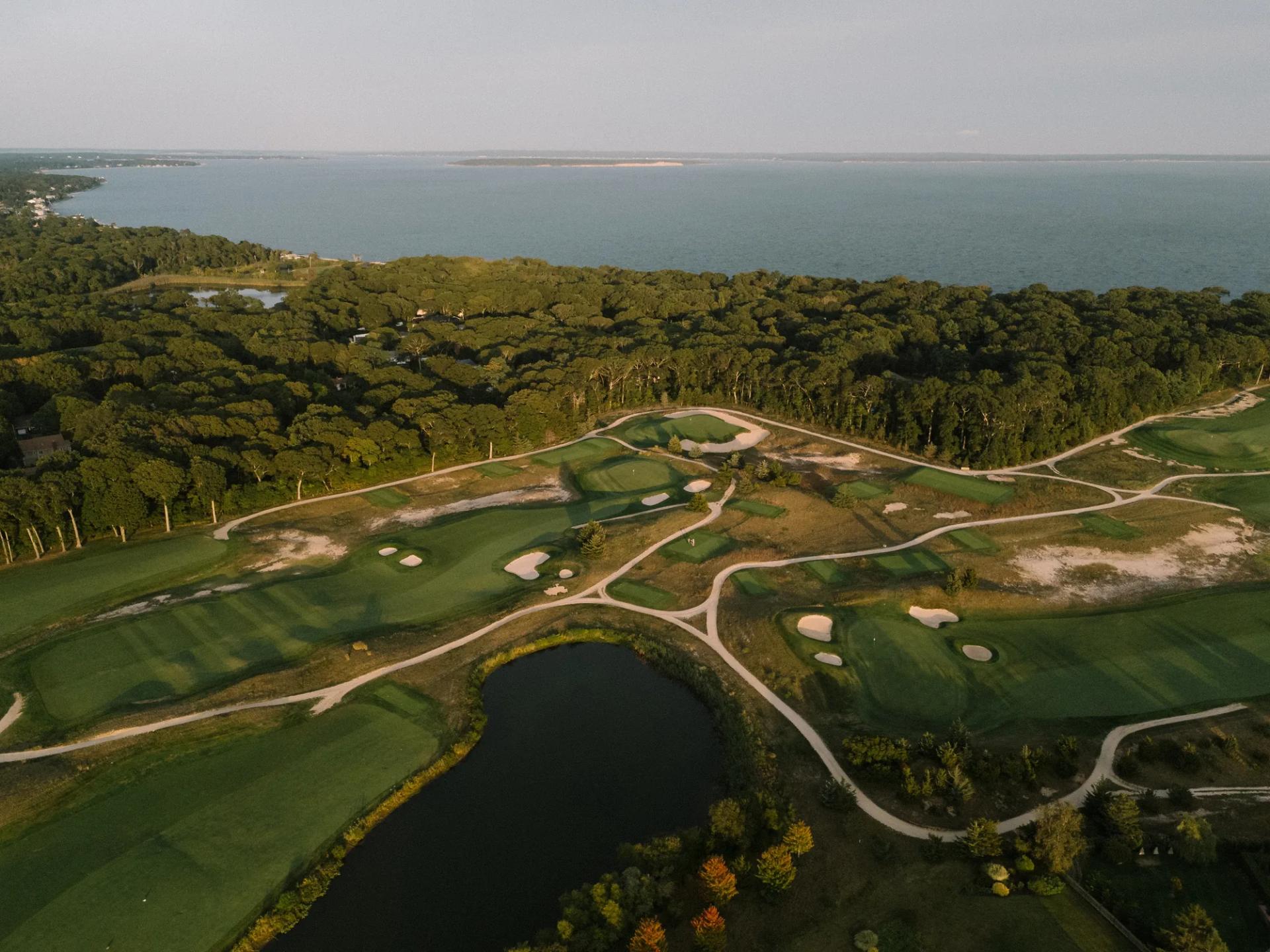
Coore and Crenshaw's dunes-and-farmland course on the Long Island Sound bluffs at Baiting Hollow.
Par
71
Yardage
7,041
Rating · Slope
74.7 · 142
Holes
18
Green Fee
Members only
The Course
About Friar's Head
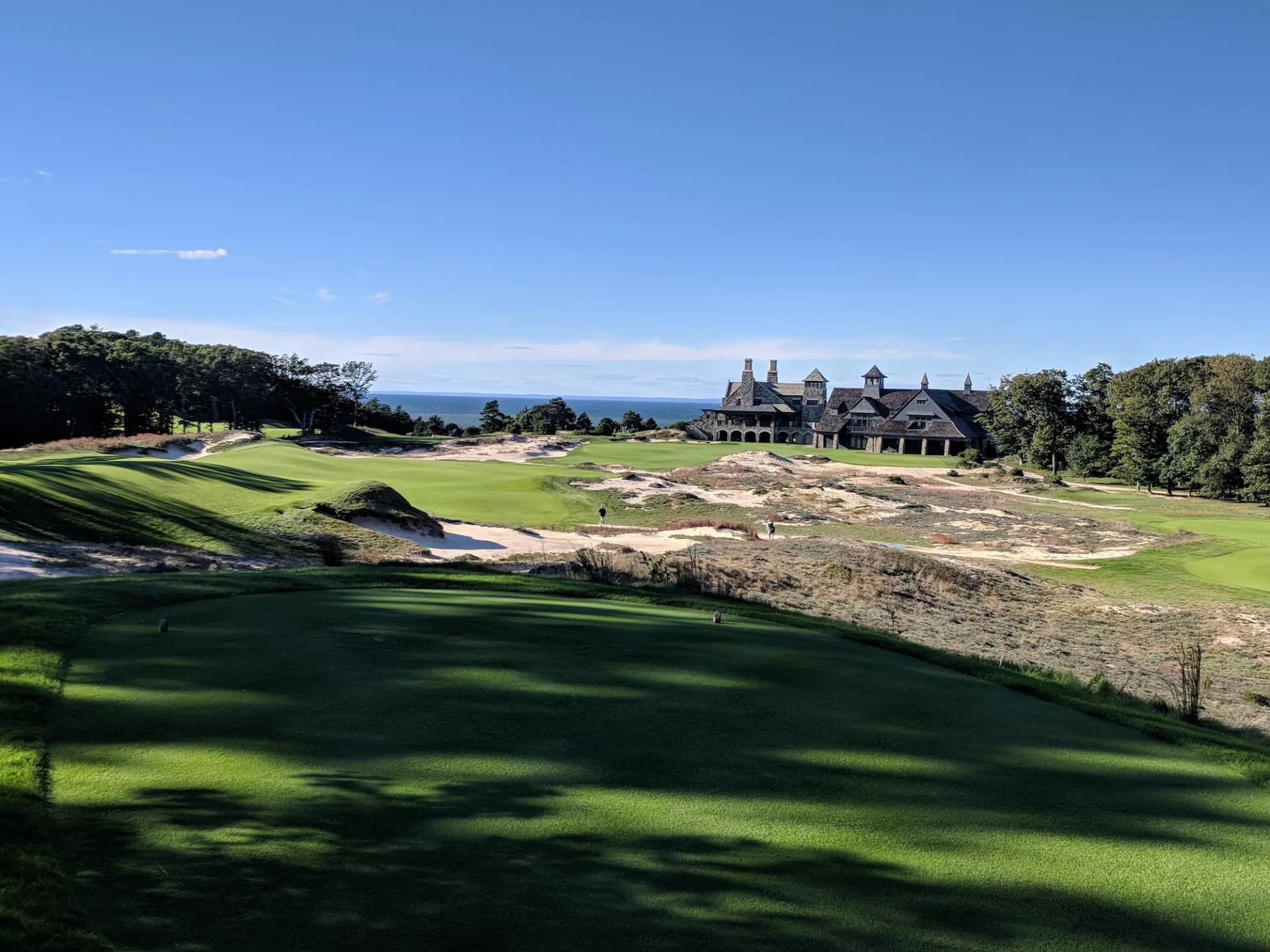
Friar's Head is a private club for members and their guests on Sound Avenue in Baiting Hollow, a hamlet of Riverhead. Its Bill Coore and Ben Crenshaw course moves between big sand dunes above Long Island Sound and flatter former farmland. Caddies are required when available, even for players in carts, and carts are generally allowed only in the afternoon. The club also has a par-3 course.
History
Friar's Head — History
Ken Bakst, the 1997 U.S. Mid-Amateur champion, founded and developed the club. Coore and Crenshaw first saw the site in 1997, shortly after Sand Hills opened, and the course opened in the early 2000s. Later refinements include free-form tees added after opening, tree removal around the 7th and 8th, softer contours on the 7th and 14th greens, and a 2010 boardwalk from the 15th green to the 16th tee.
Design
Friar's Head — Design
The site paired heaving dunes with a flatter farm tract, and Planet Golf credits a routing that links the two with little earthmoving and short walks from green to tee. Bakst agreed to give his views but leave final decisions to the designers. The lowland holes are strategic equals of the dune holes and hold some of the best green complexes, while fairway bunkering defines the longer transition holes.
What Sets It Apart
Why Play Friar's Head
No. 5 in Golf Digest's 2025-26 New York ranking, Friar's Head is admired for how seamlessly it moves golfers between tree-dotted dunes, open meadows and bluff-top views of Long Island Sound.
The Round
The Journey at Friar's Head
I.
The Opening
The 373-yard 1st climbs through sandy scrub to a blind green atop a 25-foot hill. The 570-yard 2nd is a par 5 full of options, and the 498-yard 3rd, the No. 1 handicap, is the longest par 4. The 228-yard 4th and the 323-yard 5th, with its rippling ground contours, are half-par holes, and the 424-yard 6th is a cape-style dogleg that tempts you to hug the corner.
II.
The Middle
The 533-yard 7th starts a sandy run that continues through the 10th, where trees were cleared to expose more sand around the 7th and 8th. The 393-yard 9th tumbles back down the bank toward a green fashioned from exposed sand. The back nine opens with the 208-yard 10th, a par 3 set among the sand on an enormous green, then the 608-yard 11th and the 197-yard 12th.
III.
The Finish
The 492-yard 13th, the No. 2 handicap, has one of the lowland's best approaches. The 533-yard 14th rises through wooded dunes to a steep green beneath converging ridges, and the 485-yard 15th drops from an elevated tee through a valley toward the Sound, its fairway tilting right to left past a vast bunker. After the 402-yard 16th come a 150-yard par-3 17th with a small green and a 455-yard par-4 18th that bends around a giant hill.
How to Play It
Friar's Head — Playing Strategy
Beginner / High Handicap
At 7,041 yards from the back tees, with a 74.7 rating and 142 slope, pick a forward tee. Follow the caddie's lines and play away from the dunes and sand rather than over them. On the 1st, the blind green sits atop a 25-foot hill, so take enough club to reach the top, and on the 17th, aim for the middle of its small green.
Intermediate / Mid Handicap
Four par 5s, at the 2nd, 7th, 11th and 14th, are the mid-handicapper's chances, and the 2nd rewards choosing a line before swinging away. On the 6th, the closer the drive to the corner of the dogleg, the shorter the approach. On the 15th, the fairway tilts right to left toward the big left bunker, so start the drive up the right side.
Advanced / Low Handicap
Scoring comes in the last hundred yards, which Planet Golf rates outstanding on the 2nd, 4th, 5th, 11th and 13th. The two hardest par 4s, the 498-yard 3rd and the 492-yard 13th, ask for long irons into contoured targets, and the 10th's huge green can play anywhere from 110 to 235 yards depending on tee and flag, so the number matters more than the hole's length.
Signature Holes
Friar's Head — Signature Holes
The Card
Friar's Head Scorecard
| Hole | 1 | 2 | 3 | 4 | 5 | 6 | 7 | 8 | 9 | Out | 10 | 11 | 12 | 13 | 14 | 15 | 16 | 17 | 18 | In | Total |
|---|---|---|---|---|---|---|---|---|---|---|---|---|---|---|---|---|---|---|---|---|---|
| Par | 4 | 5 | 4 | 3 | 4 | 4 | 5 | 3 | 4 | 36 | 3 | 5 | 3 | 4 | 5 | 4 | 4 | 3 | 4 | 35 | 71 |
| Yards | 373 | 570 | 498 | 228 | 323 | 424 | 533 | 169 | 393 | 3,511 | 208 | 608 | 197 | 492 | 533 | 485 | 402 | 150 | 455 | 3,530 | 7,041 |
| Handicap | 9 | 7 | 1 | 13 | 15 | 3 | 5 | 17 | 11 | — | 16 | 12 | 14 | 2 | 10 | 8 | 6 | 18 | 4 | — | — |
Good to Know
Friar's Head — questions answered
- How do I get on Friar's Head?
- Friar's Head is a private club — play is reserved for members and their guests. The only way on is a membership or a member's invitation; there is no public tee sheet.
- Who designed Friar's Head?
- Friar's Head was designed by Bill Coore and Ben Crenshaw.
- What is the par and yardage at Friar's Head?
- Friar's Head plays to a par of 71 over 7,041 yards from the championship tees, with a course rating of 74.7 and a slope of 142.
- Is Friar's Head public or private?
- Friar's Head is a private member club — not open to public play. Access is by membership or a member's invitation; there is no public tee sheet.
- Where is Friar's Head located?
- Friar's Head is located at 3000 Sound Avenue, Riverhead, NY 11901, in the Long Island: Suffolk & the Hamptons area of New York.
More in Long Island: Suffolk & the Hamptons
More golf courses in Long Island: Suffolk & the Hamptons
Riverhead
The Woods at Cherry Creek
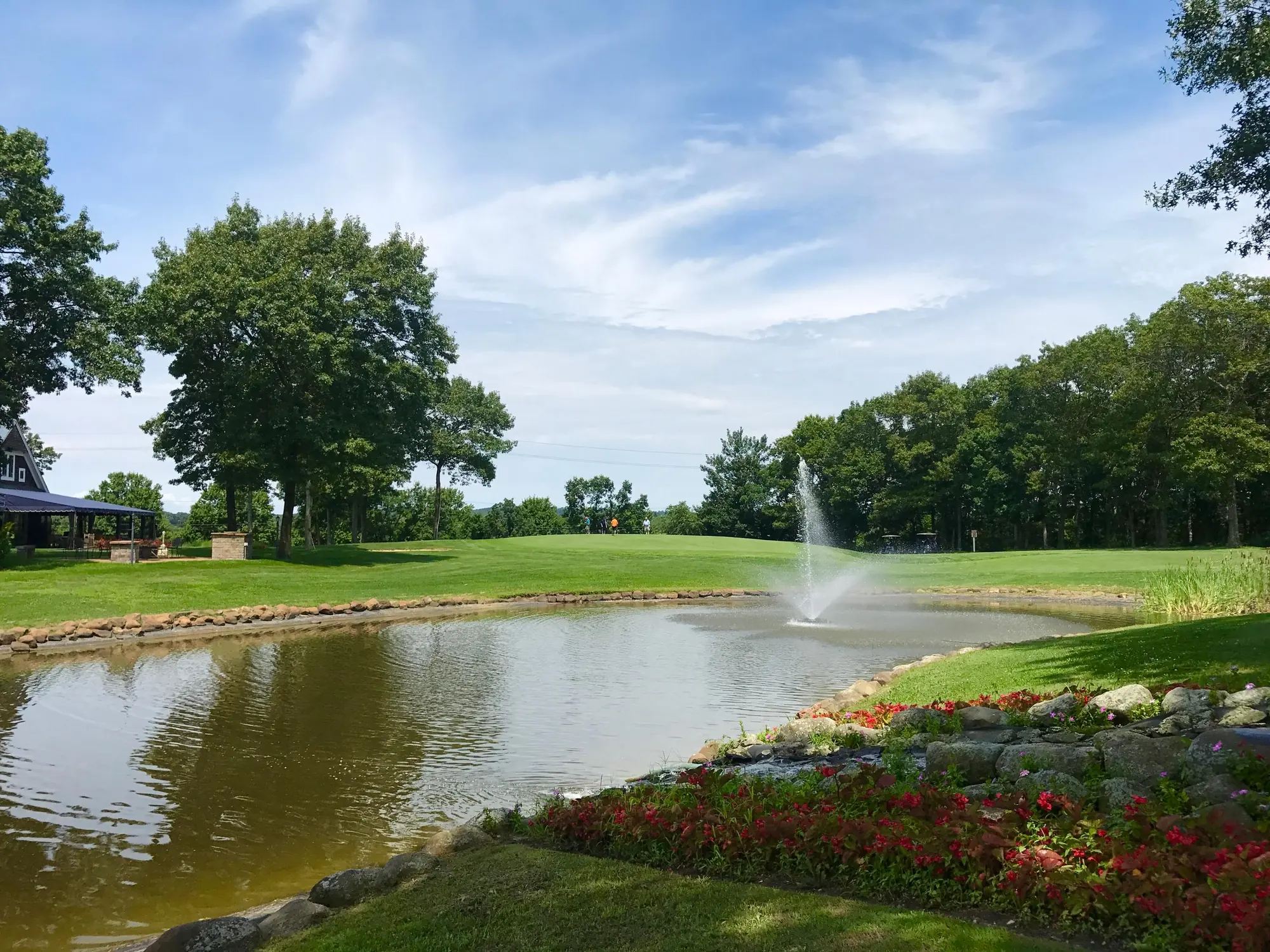
Tree-lined 2002 public course in Riverhead, with ponds, winding doglegs and four par 5s.
Robert Trent Jones Jr. · Riverhead
Long Island National Golf Club
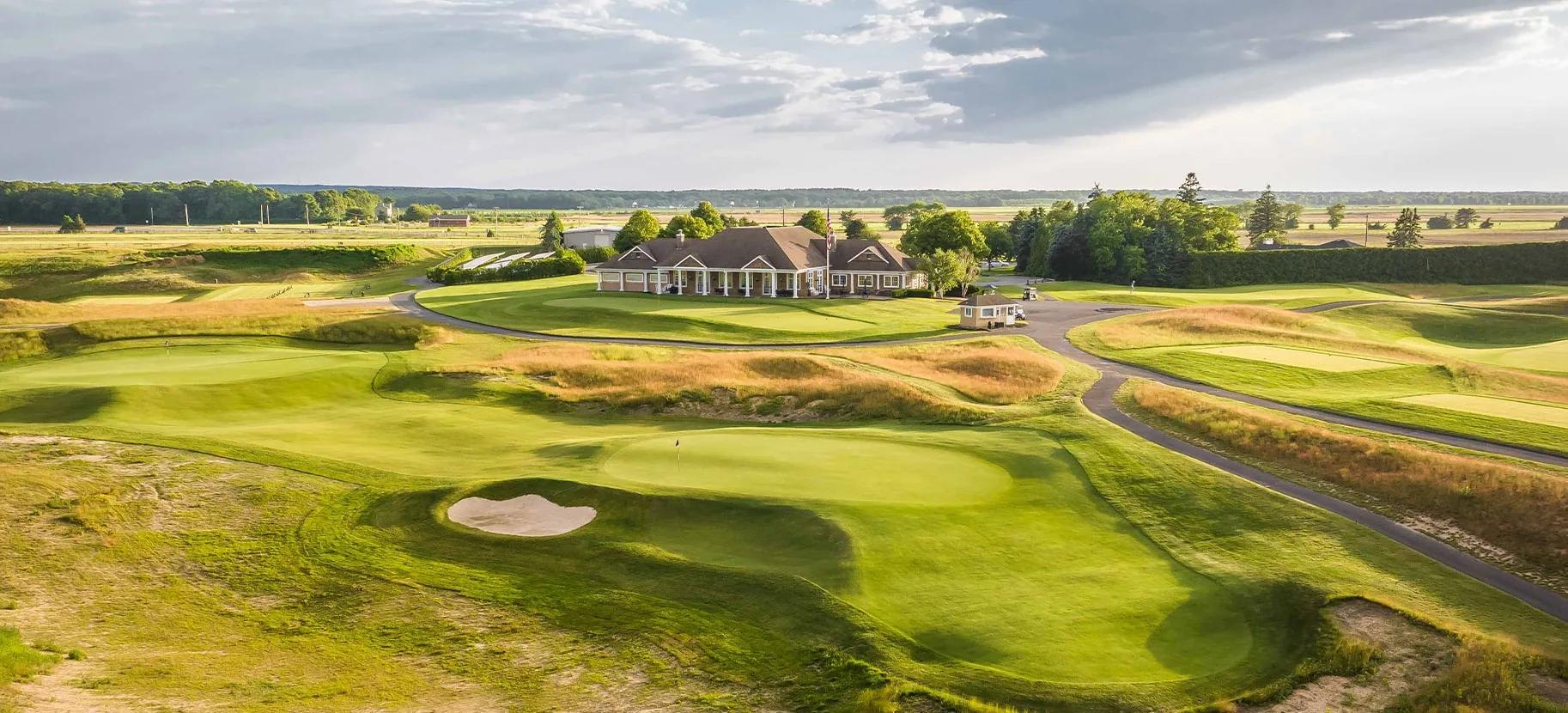
Robert Trent Jones Jr.'s links-style course on former potato fields in Riverhead, now private.
Kelly Blake Moran · Laurel
Laurel Links Country Club
Kelly Blake Moran's 2002 course on former farmland between Main Road and Peconic Bay in Laurel.
How to Play It
How to Play Friar's Head.
Friar's Head is a private club — play is reserved for members and their guests, with no public tee sheet. The only way on is a membership or a member's invitation.
Golf in NY is an independent guide — we don’t sell tee times or mark them up. We map the exact way on.